
Bitcoin Traders Brace for ‘Sell in May and Go Away’ as Seasonality Favours Bears

A bitcoin (BTC) breakout earlier this week has traders eyeing the $100,000 level in the coming days, a euphoric trade that could be short-lived as May’s seasonality approaches.
“Historically, the next couple of months have been weak for financial markets, with many investors abiding by the Sell in May and Walk Away adage,” Jeff Mei, COO at BTSE, told CoinDesk in a Telegram message.
“That being said, markets have significantly underperformed over the last few months, but this year could buck the trend, with Bitcoin hitting $97K and other growth stocks coming back over the last few weeks. This past week's weak GDP numbers coming out of the US indicate some risk, as another report of negative GDP growth next quarter would indicate a recession, but rate cuts could lead to a rebound as well,” Mei added.
The adage “Sell in May and go away” is a long-standing seasonal saying in traditional financial markets.
It suggests that investors should sell their holdings at the beginning of May and return to the market around November, based on the belief that equity markets underperform during the summer due to lower trading volumes, reduced institutional activity, and historical returns data.
The phrase dates back to the early days of London Stock Exchange and was originally “Sell in May and go away, come back on St. Leger’s Day,” referencing a mid-September horse race.
What data shows
Historically, U.S. stock markets have shown weaker performance from May through October than from November through April, leading to the strategy becoming a seasonal rule-of-thumb for some investors.
Bitcoin also shows recurring seasonal patterns, often influenced by macro cycles, institutional flows, and retail sentiment. CoinGlass data show the asset’s May performance has been negative or muted recently.
In 2021, BTC dropped 35%, one of its worst months that year. In 2022, May was again negative, with a 15% drop amid Luna’s collapse. In 2023, BTC was flat to mildly positive, reflecting muted volatility.BTC popped up 11% last May and ended May 2019 up 52% — a standout performance from all months following 2018, when crypto markets are generally thought to have matured after that year’s altcoin cycle.
Red May months are followed by more declines in June, the data shows, with four of the past five June months ending in red.
These patterns don’t guarantee future performance, they suggest that crypto markets may be increasingly reacting to the same macro and seasonal sentiment as equities, especially as more institutional capital enters the space.
Sign of caution?
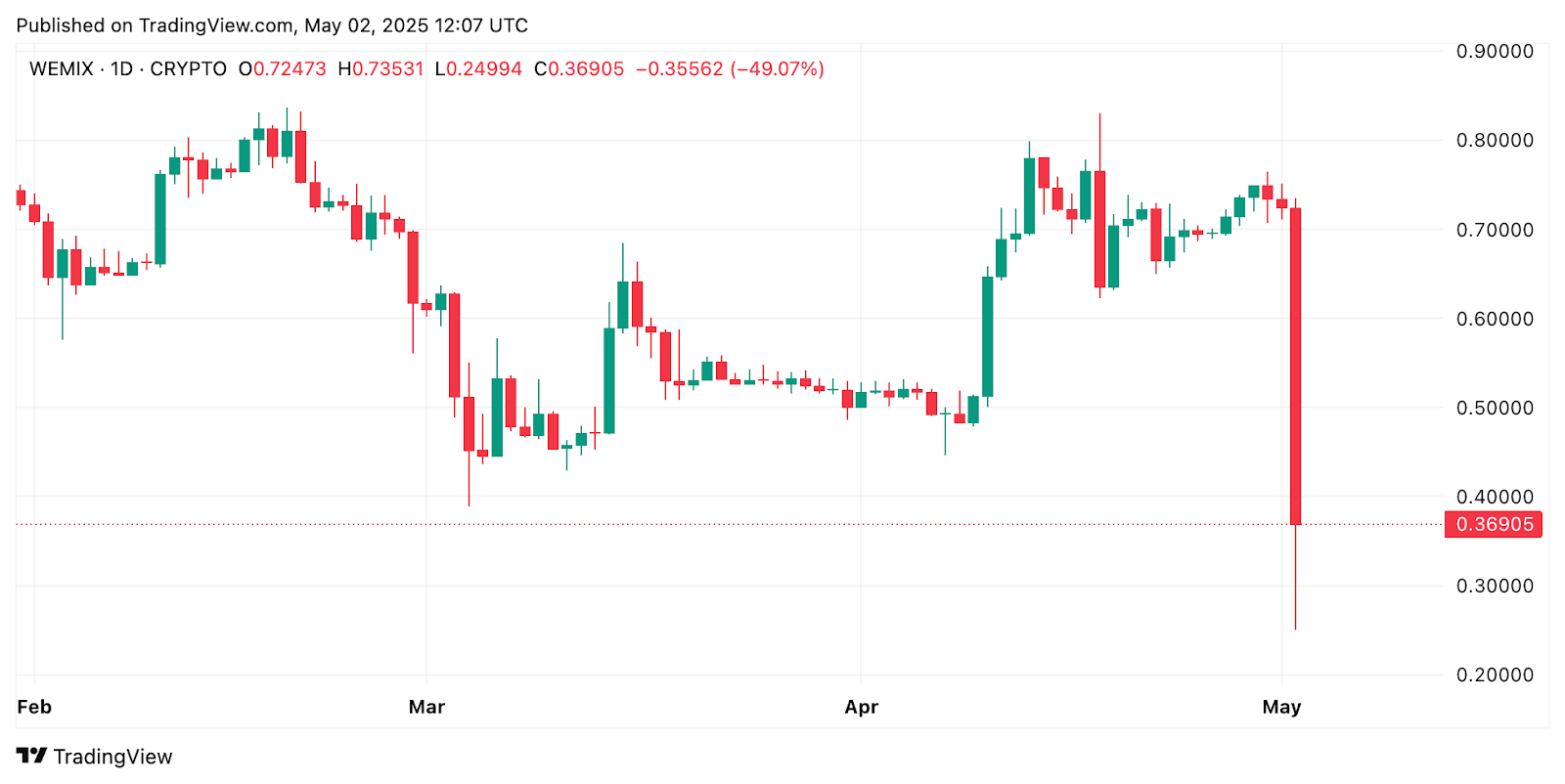
Traders may grow cautious based on historical price seasonality and fading momentum after strong Q1 rallies. Altcoins, especially meme coins, may be particularly vulnerable to pullbacks, given their recent hype-driven rallies and speculative flows.
“Since 1950, the S&P 500 has delivered an average gain of just 1.8% from May through October, with positive returns in about 65% of those six-month periods—well below the stronger performance seen from November through April,” Vugar Usi Zade, COO at crypto exchange Bitget, told CoinDesk in a Telegram message.
Over the past 12 years, average Q2 returns (April–June) for BTC have stood at 26%, but with a median of only 7.5% — a sign of outlier-driven performance and recurring volatility.
By Q3 (July–September), the average return drops to 6%, and the median turns slightly negative, suggesting a pattern of post-Q2 fatigue or consolidation, Zade added, citing data.
“This seasonality overlap suggests caution heading into May. Historically, Q4 marks Bitcoin’s strongest seasonal period, with an average return of +85.4% and a median of +52.3%, whereas Q3 tends to deliver more muted or negative outcomes,” Zade said.
In short, while Wall Street calendars don’t bind crypto, market psychology still responds to narratives, and “Sell in May” could become a self-fulfilling prophecy — especially if technicals start to crack and sentiment flips.